
Lighting: Understanding the Art, Space, and Desired Effect
Art lighting fixtures fall into two general installation types: recessed or exposed. Regardless of the installation type, illuminating a collection requires a lighting specialist’s expertise. Our team understands the art, the viewing space, and your desired visual effect. Consulting with our lighting specialists ensures we address every technical nuance to achieve a museum-quality presentation.
UNDERSTANDING THE ART: INSIGHTS FROM OUR LIGHTING SPECIALISTS
When art is above eye level, position the light source to avoid reflecting on a glossy surface. Carefully calculate the mounting angle so the viewer sees the masterpiece rather than glare. By directing the light precisely, you eliminate distracting glare and maintain the clarity of your collection.
To avoid distracting reflections on glossy oils or photographs, position the art light source so it doesn’t appear on the reflective surface. This is especially critical for art hung above eye level. By calculating the proper angle of incidence, you ensure the viewer sees the artwork’s detail rather than glare.
To prevent glare on matte photographs or textured, varnished paintings, position the art light to redirect light scatter away from the viewer. This placement is especially critical for art above eye level, where reflections often form distracting glare zones. By calculating the proper angle, you ensure the texture enhances the piece rather than obscuring it.
To check if your art has a reflective sheen, take a straight-on photo with your camera flash. If the flash washes out the image or obscures details, the surface is glossy. Always test the art light’s position before final installation to avoid these permanent glare zones.
Dark art needs more light intensity to pop. Conversely, lighter pieces shine with less, ensuring a balanced illumination across your collection.
UNDERSTANDING THE SPACE
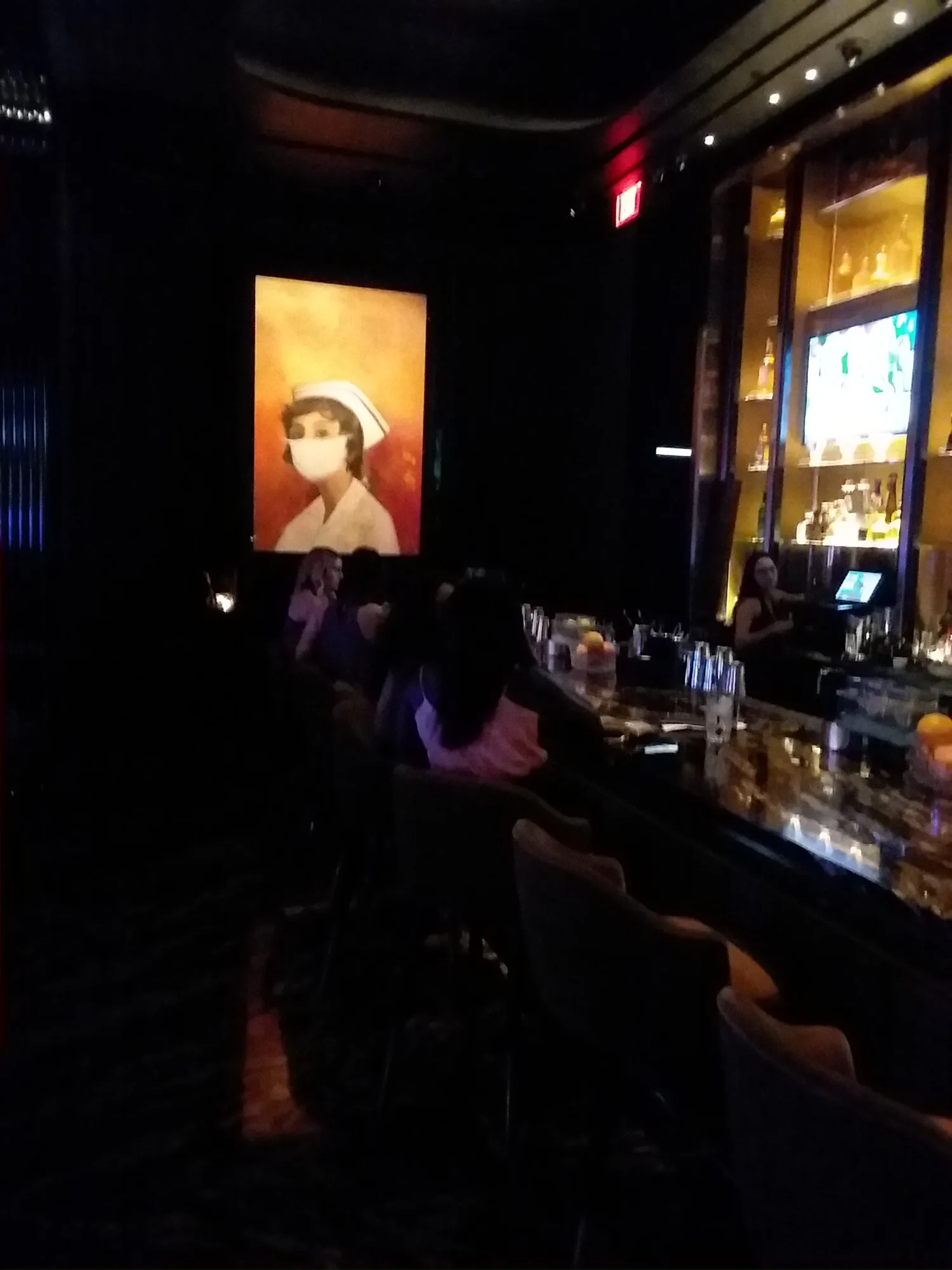
Does the space where art will be viewed have a high or low ambient light level? The amount of light required for contrast, to make art pop, will depend upon the relationship between the ambient light relative to the art hue.
If art above eye level is behind glass or has a reflective sheen, the art light(s) can be positioned to manipulate reflection away from normal viewing angles.
DESIRED EFFECT
To achieve maximum art impact, consider using a Sharp Focus Framing Projector that delivers light precisely shaped to follow the contour of art.
To effortlessly blend art with architecture or blend art with a frame, consider using a Fade In® Projector. This product delivers a feathered light border loosely shaped to follow the contour of art.
When you want a simple yet effective art lighting effect, consider using a low-voltage art light, an art accent light, suitable for paintings and sculptures alike.